



When most people think of pubs and lounges, images of drinks, music, and dancing come to mind.
Yet, in Ghana, these venues are ports of culture bridges between centuries-old traditions and the vibrant nightlife found in cities today. Ghana’s pubs and lounges are deeply entwined with the nation’s history, its diverse ethnic groups, colonial transformations, urbanization, and the ever-evolving world of music.
Long before the appearance of Western-style pubs or nightclubs, Ghanaians cherished community gatherings as the lifeblood of social life. In villages and towns across the nation, people gathered in open courtyards, lively market squares, and family compounds. These events revolved around shared meals, vibrant music, group dancing, storytelling, and rituals marking life’s milestones like births, marriages, funerals, bumper harvests, and initiations.

Gatherings were more than entertainment. They preserved oral histories, allowed news to travel, resolved communal issues, and fostered unity. Each ethnic group Ga, Akan, Ewe, Dagomba, Nzema, and others had unique festival traditions, but all prized togetherness and the joy of shared experience.
In these gatherings, music and dance reigned supreme. Drumming, singing, and movement were collective, creating a sense of belonging and emotional release that foreshadowed the rhythmic pulse of future clubs and pubs.
One of the closest ancestors of today’s pubs is the chop bar. From Accra to Tamale, chop bars offered more than just steaming bowls of fufu, banku, or konkonte. These informal eateries doubled as community salons, where everyone from taxi drivers to civil servants could discuss life, laugh, and unwind over local brews or spirits. The “bar” in “chop bar” is as much about the communal sharing of food and drink as it is about the open, friendly atmosphere.

The typical chop bar is modest, often a zinc-roofed structure filled with laughter, chatter, and the aroma of Ghanaian home cooking. TV sets blare football matches, while children dart between tables. Regulars know each other indeed, these local spots weave social fabric tighter, making each neighborhood feel like an extended family. Even today, many Ghanaians choose chop bars over glitzier venues for their comfort, authenticity, and sense of rootedness.
The advent of British colonialism in the nineteenth century wrought tremendous change, not least in the ways Ghanaians and expatriates socialized. Colonial officers, traders, and expatriates longed for familiar comforts and imported the British institution of the “club”, exclusive spaces modeled on English gentlemen’s clubs. These venues were polished, formal, and typically barred African Ghanaians and even many Eurasians from entry.
In cities like Accra, Kumasi, and Sekondi, colonial clubs became symbols of power and social division. In these buildings, colonial officials played billiards, sipped imported gin, and held elite dances or dinners amid oak-paneled bars. The culture was intentionally exclusive: Only a privileged few could access these havens, reinforcing racial and class hierarchies of the times.
Ghanaian professionals responded by creating new spaces for themselves. In 1947, the Gold Coast Club was founded in Accra by business leaders and elite African professionals excluded from European-only clubs. The Club became a crucible for socializing, debate, and serious business. Following independence in 1957, the Club was renamed The Ghana Club.

The Ghana Club was more than a social venue, it was instrumental in the political movement that eventually led to Ghana’s liberation. Intellectuals, nationalists, musicians, and future heads of state gathered here, discussing the nation’s destiny over bottles of Star beer and plates of kelewele. The Club hosted dances with live highlife bands, art exhibitions, lectures, and poetic evenings. It represented a uniquely African blend of tradition, aspiration, and modernity.
New venues began to blur the line between private and public entertainment. Notable hotels such as the Metropole Hotel (Accra) and Sea-View Hotel (Takoradi) emerged mid-20th century, boasting ballrooms, bars, and restaurants where Africa’s new urban elite convened for jazz nights, ballroom dancing, and exclusive soirees.
Cinemas like the Palladium in James Town were repurposed after dark, transforming into makeshift nightclubs or concert venues. Music concert parties, blending drama, comedy, and song, regularly played to packed halls.

By the 1960s and 1970s, independence had unleashed a tidal wave of creativity. Highlife, Ghana’s signature fusion of African rhythms, jazz horns, brass, and Caribbean beats became the country’s party anthem. Pubs, clubs, and hotel lounges buzzed with live bands such as E.T. Mensah and the Tempos, or the Uhuru Dance Band.
People flocked in their finest attire to watch dazzling performances. The music was uplifting, sophisticated, and irresistibly danceable. Pubs and lounges became communal spaces for celebration, a place where rich and poor, locals and foreigners, converged on the dancefloor. Weekend nights in Accra, Kumasi, and Sekondi were legendary, with live music pouring from venues into the streets.
Urbanization and younger generations brought new sounds in the 1980s and 1990s. Hiplife, blending hip-hop with Ghanaian highlife, reggae, and dancehall took over the airwaves, especially in Greater Accra. DJs became the new rockstars, and pubs invested in bigger sound systems.
Highlife and international influences like disco poured into Accra’s nightlife, bringing Ghana’s multicultural spirit to the fore. Many venues became creative laboratories, launching the careers of now famous musicians and DJs.
Every partygoer from the 1980s and 1990s remembers the heyday of these venues which, for a time, were the heartbeats of Ghanaian social life:
- Kit-Kat Bar (Accra): On Ray Acquaye Street, Kit-Kat Bar was synonymous with late-night highlife jams, glitzy social scenes, and a mix of local and international guests. It set the gold standard for sophisticated nightlife.
- Merry Villas (Accra Central): A city landmark with ballrooms, bars, and even a cinema. Known for highlife events, portraits of its busy dancefloors still surface on social media today.
- Roger Club (Accra): Occupying the grounds where the Bank of Ghana now stands, Roger Club reflected colonial-era grandeur and later, post-independence ambition. Its parties drew the city’s movers and shakers.
- Metropole and Sea-View Hotels: More than hotels, these were epicenters of glamour hosting celebrities, dances, and iconic themed events.
- Pagoda Club / Napoleon Club (Accra): Famous for live Afro-rock and Afro-beat, Pagoda (later Napoleon) filled every weekend with electrifying performances.
- Accra Town Hall: Now Parliament House, Town Hall was once the venue for epic club parties, “afternoon jump” events, and colorful press-photo spreads.
- Palladium Cinema (James Town, Accra): A hybrid venue, it was as much a party destination as a cinema, central to the nightlife of James Town.
Other Noteworthy Clubs: Venues like Tip Toe Night Club (Kokomlemle), Seven Star Night Club (Osu), Bywell Club, Club Keteke, Blow Up, Club Edward, and Climax kept Accra pulsing with music and energy.
These places were not just nightspots, they were archives of fashion, music, and social memory. Many no longer exist in their original form, but their stories live on through oral tradition, press clippings, and vintage photographs cherished by collectors.
After the boom of the 1980s and 1990s, Ghana’s cities experienced yet another nightlife transformation. The new millennium brought investment, global pop culture, and a youthful population eager for diverse experiences. Accra Nightlife blossomed with themed bars, rooftop lounges, street side grill joints, and imported luxury clubs.
Old favorites inspired new businesses. Pubs became more specialized: jazz bars, reggae spots, clubs for Ghanaian hip-hop, and retro lounges that honored highlife traditions. Live music returned in force, now joined by international DJs and world-class audio visuals. The city’s arts and business communities began holding book launches, poetry slams, gallery openings, and networking events in lounges, further blending culture and nightlife.
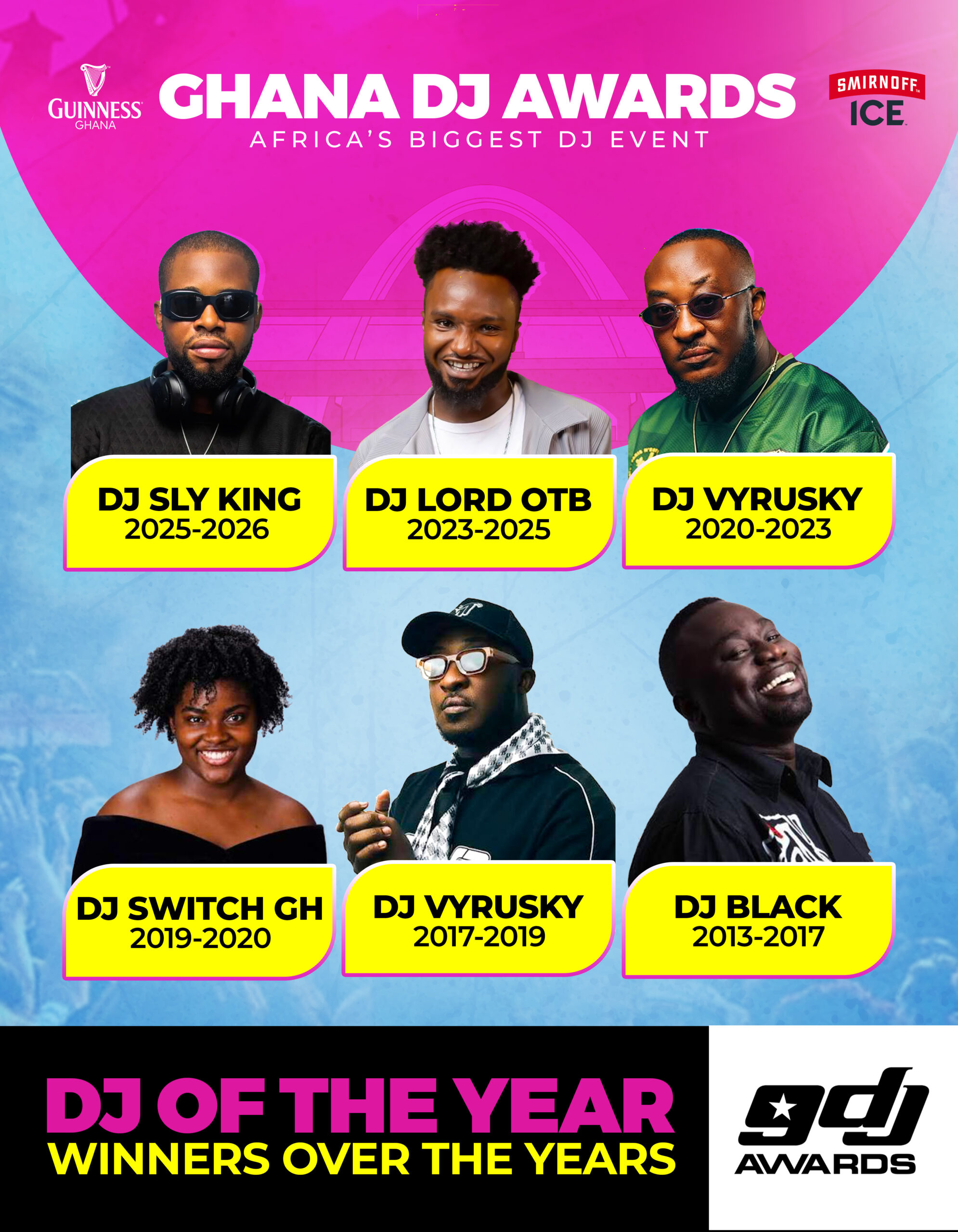
One of the most significant modern developments has been the rise of the DJ as the lifeblood of nightlife. In 2013, the Ghana DJ Awards were launced, celebrating not only top DJs but the venues, pubs and lounges, that give them a stage. Events like “Pub Fest” underscore how nightlife supports Ghana’s music industry by introducing new genres and artists and creating the space for experimentation.

Nightlife venues have always been pathways to opportunity for Ghanaians. For budding musicians, DJs, dancers, and creative professionals, a good night at the right club can be life-changing. Networking in lounges has opened doors to business deals, creative partnerships, and friendships. For young urbanites, these venues are spaces of self-expression, identity, and dreams.
With each generation, Ghana’s nightlife reflects evolving norms. Today, women are not just patrons; they’re business owners, managers, headline performers, and celebrated mixologists. Lounges like Django Bar, Carbon, and Bloom Bar are known for inclusive atmospheres, helping normalize diverse gender roles in public life.
Of course, not all change is easy. Gentrification, rising costs, and new city regulations have pushed many beloved venues to relocate or close. Meanwhile, the tension between honoring local culture and attracting international business persists. Still, chop bars endure as symbols of tradition, and each new venue honors its predecessors in some way.
To speak of pubs and lounges in Ghana is to tell a story of adaptation, resilience, and boundless creativity. These venues are not just physical locations; they are living archives, places where Ghanaians come together to eat, drink, dance, dream, and share in something larger than themselves.

From open village courtyards to colonial clubs, from highlife dancehalls to pulsing modern lounges, Ghana’s nightlife is inseparable from its national identity. Today’s pubs and lounges will one day be the cherished legends passed down, their photos treasured in albums and archives. They are where history, music, ambition, and the joy of community converge.
Comment here